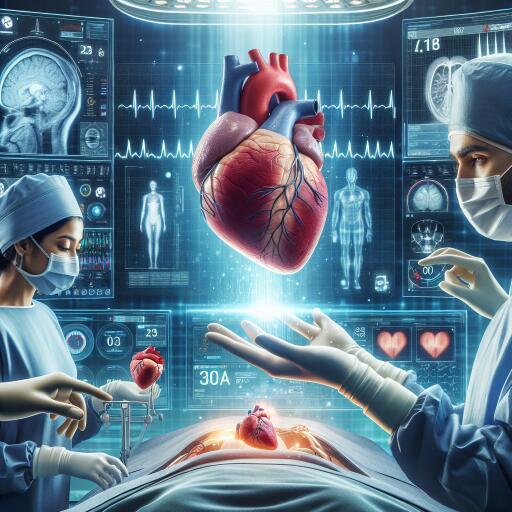
Heart Transplantation: A Marvel of Modern Medicine
At the core of every heartbeat lies a muscular engine, tirelessly delivering oxygen-rich blood to every corner of the body. The heart’s remarkable design supports a lifetime of rhythm and resilience, and its endurance has long captivated scientists and clinicians alike. Among the most transformative achievements in cardiac care is heart transplantation, a procedure that has saved countless lives and pushed the boundaries of what medicine can accomplish.
Milestones in transplantation began in the 20th century, with pivotal work in the 1960s when the first successful human heart transplant was performed by Christiaan Barnard. His pioneering operation opened a pathway for modern techniques that have evolved steadily, turning heart transplantation into a viable option for thousands of patients around the world.
Today, a heart transplant involves replacing a diseased heart with a healthy donor heart. The donor organ is carefully harvested and preserved, while the recipient’s failing heart is removed. The donor heart is then connected to the recipient’s blood vessels and begins beating in its new home. The operation typically lasts several hours and requires a coordinated team of surgeons, anesthesiologists, and critical care professionals.
Central to success is careful donor–recipient matching. Teams weigh blood type and tissue compatibility, along with antibodies that could provoke rejection. The goal is to minimize the risk that the recipient’s immune system will attack the transplanted heart. Matching is a nuanced process that blends urgency with the likelihood of long-term graft function.
Beyond matching, lifelong immunosuppression helps the body accept the transplanted heart. Medications suppress the immune response and protect the graft, but they demand ongoing monitoring for infections and other side effects. Advances in surgical technique, organ preservation, and immunology have steadily improved survival and quality of life for recipients.
While still a major procedure with inherent risks, heart transplantation offers a renewed possibility of life for people with end-stage heart disease. The field continues to evolve, guided by improvements in organ donation, recipient selection, and post-operative care. As science advances, researchers hope to expand donor pools, refine matching, and develop therapies that reduce the need for transplantation in certain conditions.
With its storied past and ongoing innovation, heart transplantation stands as a remarkable achievement of modern medicine. It embodies the collaboration of surgeons, scientists, donors, and caregivers who extend life and restore hope to patients and families around the world.
Leave a Reply